Transform Your Space: Essential Facts About Home Remodeling Services for Every Homeowner
Property owners frequently look for options to upgrade their living spaces via professional remodeling. These projects can range from small kitchen fixes to complete home renovations. Understanding the options available is crucial for making sound choices. Additionally, there are practical considerations such as setting a budget and choosing the right builder. As householders start this endeavor, they may run into unexpected challenges. The secret to a great renovation lies in thorough design and implementation. What steps should be taken next?
Knowing the Various Categories of Residential Renovation Work
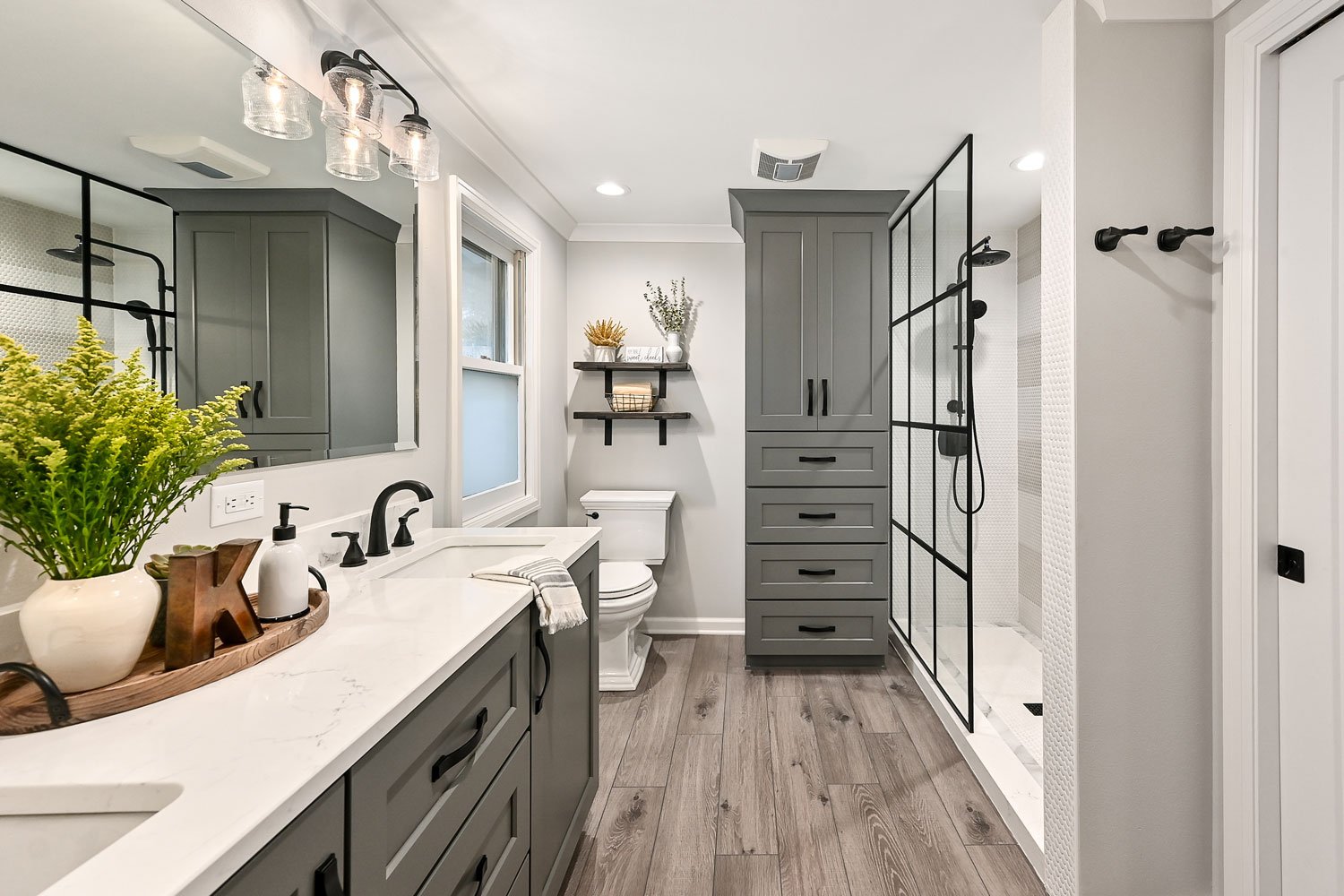
As householders look to improve their living spaces, they typically find a variety of remodeling services designed for specific preferences and preferences. These options can be widely classified into several types, each focusing on particular areas of home improvement. Renovating the kitchen involves updating appliances, storage units, and the design to enhance functionality and aesthetics. Bathroom upgrades generally mean upgrading fixtures, tiling, and storage solutions for improved comfort and style.
Full-house renovation covers extensive modifications to the entire house, sometimes requiring major structural work to maximize the area and movement. Outdoor renovation projects, in contrast, aim to improve the property's street view, dealing with the cladding, roofing, and the garden design. Furthermore, specific options like basement finishing and upgrading the attic enable property owners to utilize fully underutilized spaces. Each type of remodeling service offers unique benefits, enabling homeowners to choose options that align with their vision for their residence. Understanding these distinctions is essential when making informed decisions while undertaking the upgrade.
Establishing a Practical Spending Plan for Your Home Improvement Work
How can homeowners guarantee their home upgrades are kept financially viable? Setting a practical budget is vital. Property owners must start by assessing their monetary resources, including savings and potential financing options. This preliminary action helps establish the funds available for the renovation without compromising other financial responsibilities.
Afterward, those undertaking the remodel should look into the financial requirements of their intended changes, including materials, labor, and surprise expenses that tend to crop up. Developing a comprehensive priority list aids in distinguishing essentials from desirable features, allowing for adjustments if the budget tightens.
It is prudent to set aside an emergency fund, usually about 10-20% of the overall cost, to account for surprise expenditures. Periodically examining and tweaking the budget throughout the remodeling process is also useful for preserving fiscal oversight. In the end, a carefully structured budget does more than just confirm the project can be done and makes the whole updating experience better for property owners.
Finding the Best Contractor for Your Requirements.
Selecting the right contractor can greatly impact the success of a remodeling project. Property owners ought to start by doing comprehensive research, asking for referrals from friends, family, or internet reviews. It is crucial to check qualifications, like licenses, insurance, and bonds, to verify their standing.
After suitable professionals have been found, they should seek detailed cost breakdowns and timeframes, making it possible to compare options knowledgeably. Discussions reveal their approach to dialogue and their level of expertise, that are key to a cooperative effort.
Additionally, reviewing past projects through portfolios or references shows the builder's standard of work. Homeowners should also inquire about warranties or guarantees, indicating the builder's certainty about their services.
Finally, picking a builder whose approach fits the property owner's ideas, cost plan, and timeframe creates a better renovation journey, making certain the outcome satisfies needs and successfully updates the home's interior.
Structuring and Laying Out Your Perfect Area.
As homeowners envision their ideal spaces, thorough preparation and well-considered layout are crucial elements of a triumphant renovation effort. The beginning stage requires reviewing existing necessities and future desires, which permits a comprehensive grasp of the room's intended function. It is important for homeowners to weigh functionality, visual appeal, and personal style, ensuring that the design reflects their individual tastes.
Next, it is critical to create a detailed budget. This budget should accommodate supplies, workforce costs, and potential unforeseen expenses. Hiring professional designers can provide valuable insights, helping to optimize the space and respecting budgetary constraints.
Incorporating elements like ample daylight, spacious designs, and sustainable materials can improve the final result. Lastly, visualizing the project through drawings or computer models can help perfect concepts prior to construction. By thoughtfully tackling the design and planning stage, homeowners can design a welcoming, practical area tailored to their lifestyle.
Understanding Regulations and Permits in Residential Projects
Understanding the complexities of permits and regulations can be intimidating for homeowners starting on a remodeling project. Every city or county maintains distinct regulations that determine what is allowed during renovations, typically guided by area restrictions, building codes, and safety standards. Homeowners must familiarize themselves with local regulations to avoid costly fines or construction hold-ups.
Generally, securing permits is essential for major changes, such as structural changes or new wiring installations. This process usually necessitates providing designs for examination and might demand site visits at multiple points.
Engaging a knowledgeable contractor can make this procedure easier, as they are typically experts in municipal rules and can assist with paperwork. It is important for homeowners to communicate regularly with local building departments to ensure adherence throughout the project. By comprehending and working within these rules, homeowners can fulfill their improvement aims while guaranteeing that the work is safe and legal in their renovations.
FAQs
How Much Time is Needed for a Typical Remodeling Job?

A typical home remodeling project usually takes three to six months on average, contingent upon the extent of the project, scale of the house, and material lead times. Intricate jobs could demand more time for completion.
What's the best way to avoid frequent blunders that people make throughout the renovation process?
Typical pitfalls when renovating a home include failing to budget properly, not securing the required permissions, missing scheduled deadlines, not maintaining clear communication with contractors, and not considering long-term functionality. Understanding get going these dangers helps ensure a smoother, more successful remodeling experience.
What's the best way to select the right materials for the job?
Selecting appropriate supplies requires assessing their resilience, aesthetics, and cost constraints. Investigating available choices, consulting professionals, and considering maintenance needs can greatly aid in reaching educated conclusions, ensuring the project aligns your functional and aesthetic goals.
Is it possible to stay in my house throughout the construction phase?
Yes, one can live on the premises during renovations, but it might cause disruption. Thorough preparation, clear communication with contractors, and designating specific areas for essential activities will reduce the inconvenience throughout the project.
What guarantees should I look for by my builders?
Clients typically receive warranties for the labor performed, the supplies used, and structural components, typically ranging from one to ten years. You must carefully check the fine print and details with contractors to know the full extent of the guarantee and its restrictions.